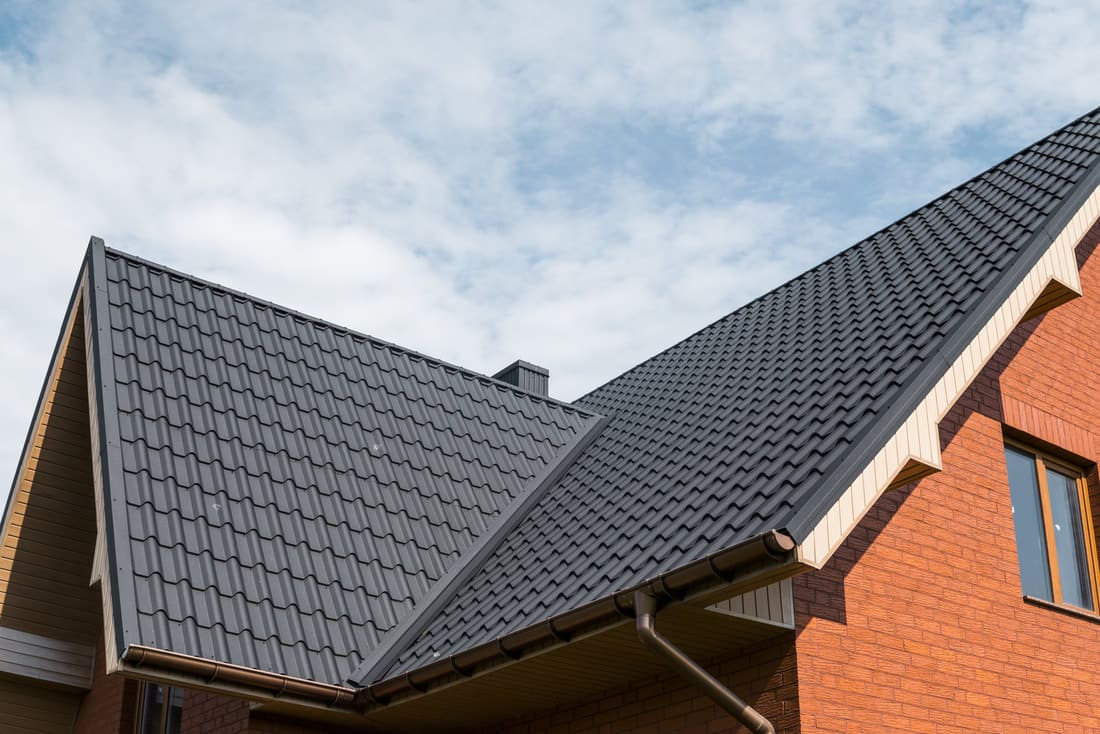
Concrete and clay tile roof repair for cracked tiles, slipped courses, failed underlayment, valley transitions, and wind-driven monsoon leaks.
A tile roof leak is rarely only about the visible tile. The tile sheds sun and bulk water, while the underlayment, flashings, valleys, and penetrations do the quiet waterproofing work below. Once underlayment dries out or tears, wind-driven rain can travel sideways before it ever shows inside.
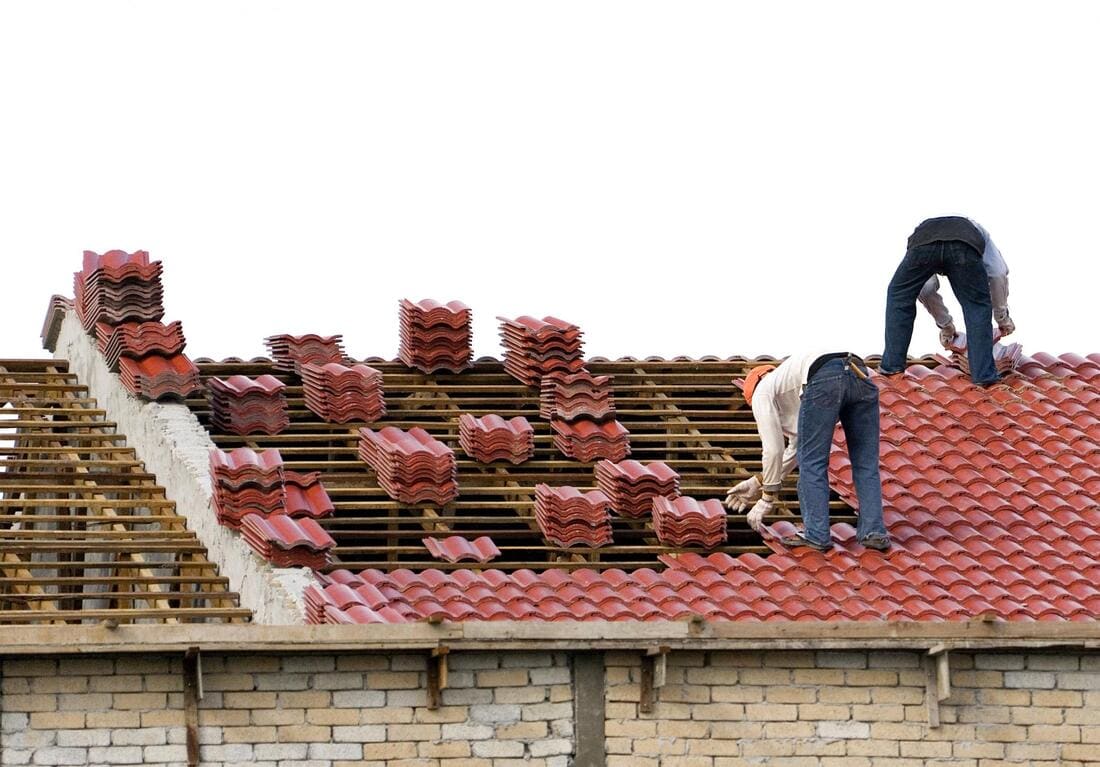
A good tile repair protects the roof while it is being inspected. The contractor should lift tile carefully, document the underlayment condition, replace broken pieces, and avoid walking patterns that create new damage on brittle or discontinued tile.
Common tile failures in Scottsdale
The most common calls involve broken field tile, slipped hip or ridge details, underlayment splits, valley debris, old mortar repairs, exposed fasteners, and leaks around skylights or patio tie-ins. South and west exposures usually show the hardest UV aging, especially where hot air and dust bake sealants for years.
Microbursts can move tile just enough to open laps without leaving obvious missing pieces. That is why a photo-backed inspection matters after a fast monsoon cell, even when the roof looks normal from the street.
Repair versus underlayment replacement
A focused repair is reasonable when the underlayment problem is contained near a valley, pipe, skylight, or small tile field. Replacement deserves a serious look when multiple slopes show brittle paper, repeated leaks, or broad fastener exposure. The goal is to avoid paying for repeated spot work when the waterproofing layer has reached its limit.
How the visit is handled
The first step is a roof-specific conversation, not a generic appointment slot. The contractor asks about tile, foam, flat sections, skylights, parapets, recent storms, access restrictions, and interior symptoms so the visit is routed correctly.
After the roof is checked, the homeowner receives photos and a written scope explaining the recommended repair, any temporary work already completed, and whether a broader replacement or restoration option deserves consideration. For replacements or structural roof work, the assigned contractor verifies city, county, and HOA requirements.