Emergency roof repair for active water entry, storm-opened tile fields, lifted foam details, skylight leaks, and temporary protection before permanent work.
Emergency roof repair is about stopping active damage first. During a monsoon surge, the right first step may be a temporary dry-in, interior water control, or a targeted patch that protects the home until the roof is dry enough for permanent diagnosis.
The phone conversation should cover roof type, gate access, whether water is still entering, where the stain appears, recent wind or hail, ceiling height, and whether there are electrical or safety concerns inside. That helps the contractor prioritize the visit and bring the right material.

What counts as urgent
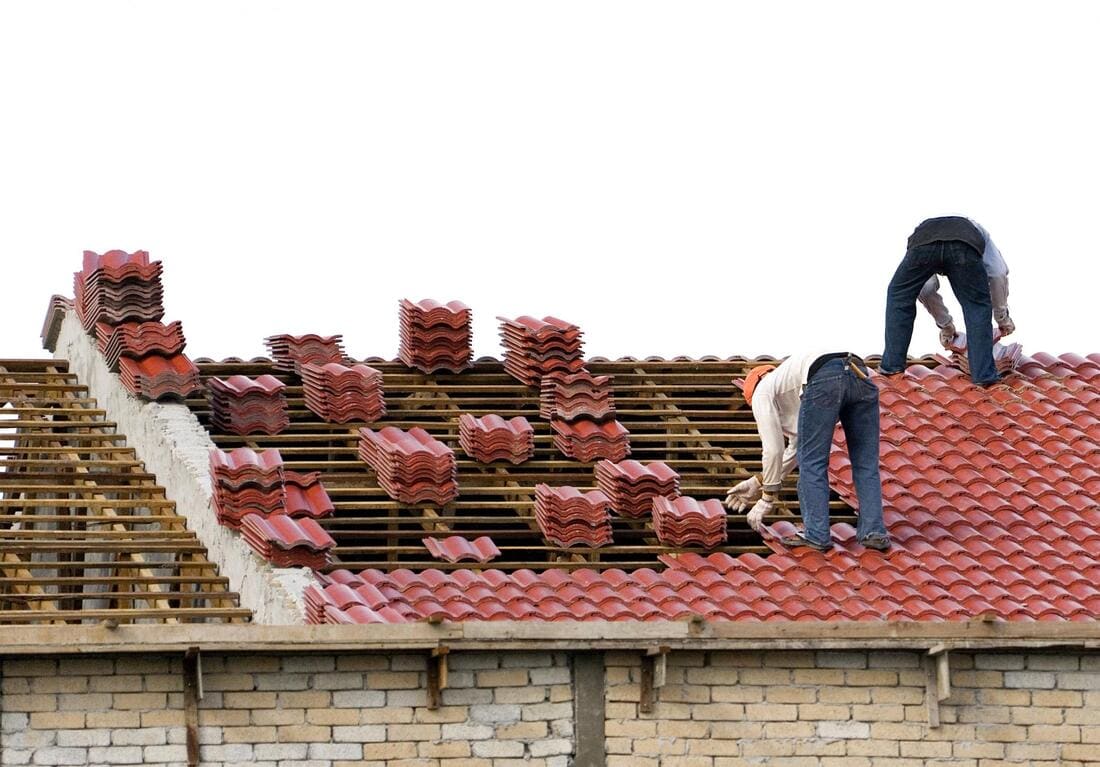
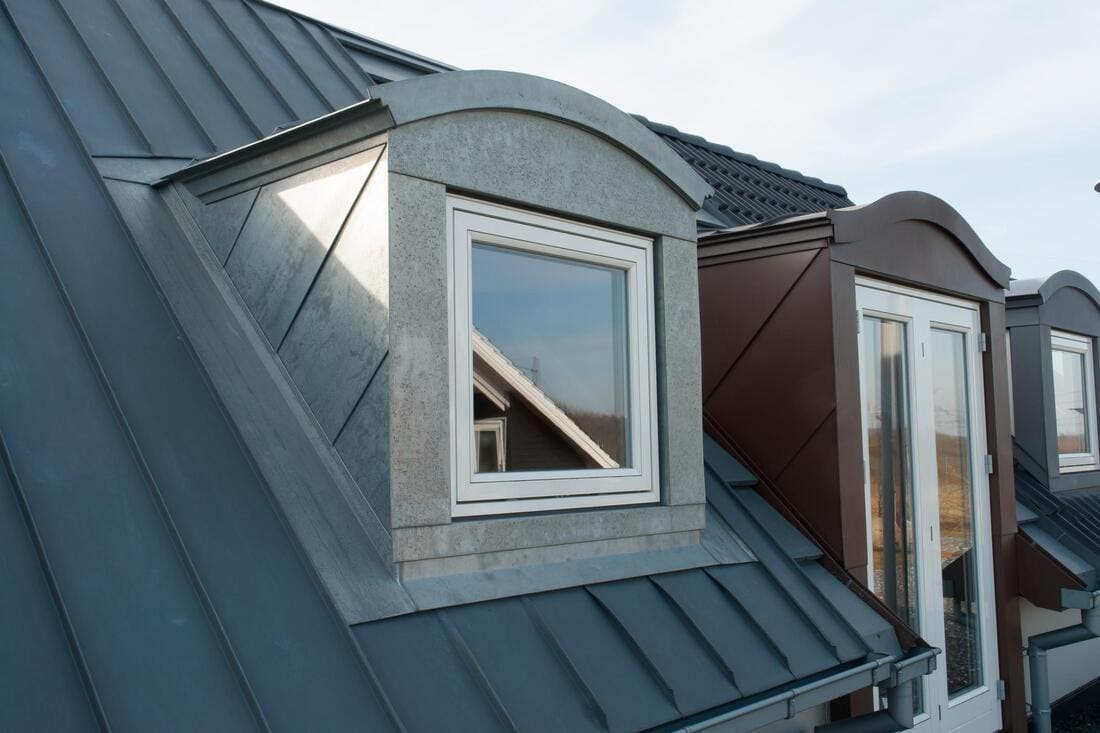
Active water entering living space, missing or broken tile after wind, opened foam, a skylight leak over finished space, damaged parapet caps, or water near electrical fixtures should be handled quickly. A slow stain with no active drip may still need prompt scheduling, but the triage is different.
Do not climb onto wet tile, wet foam, or a roof during lightning or strong wind. Safe indoor containment and clear photos are more useful than a risky roof walk.
Temporary work and follow-up
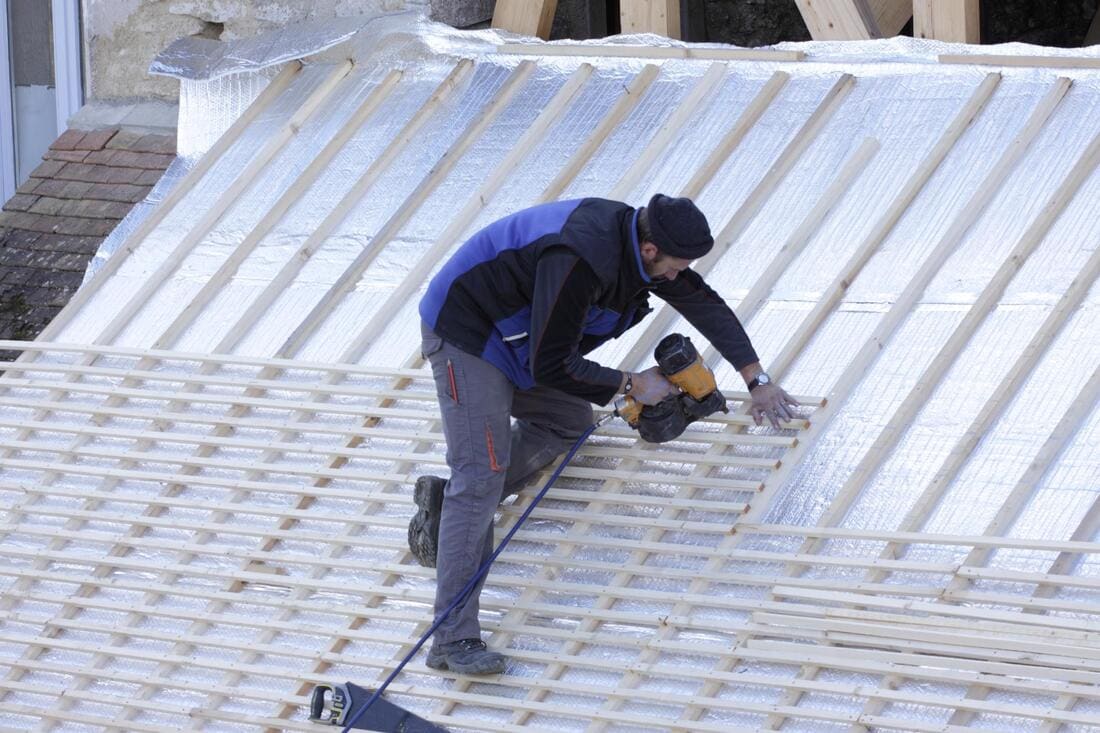
A temporary dry-in is not the same as the final repair. Once conditions are stable, the contractor should inspect the actual failure area, document hidden damage, and quote the permanent tile, foam, flashing, or decking work in writing.
How the visit is handled
The first step is a roof-specific conversation, not a generic appointment slot. The contractor asks about tile, foam, flat sections, skylights, parapets, recent storms, access restrictions, and interior symptoms so the visit is routed correctly.
After the roof is checked, the homeowner receives photos and a written scope explaining the recommended repair, any temporary work already completed, and whether a broader replacement or restoration option deserves consideration. For replacements or structural roof work, the assigned contractor verifies city, county, and HOA requirements.