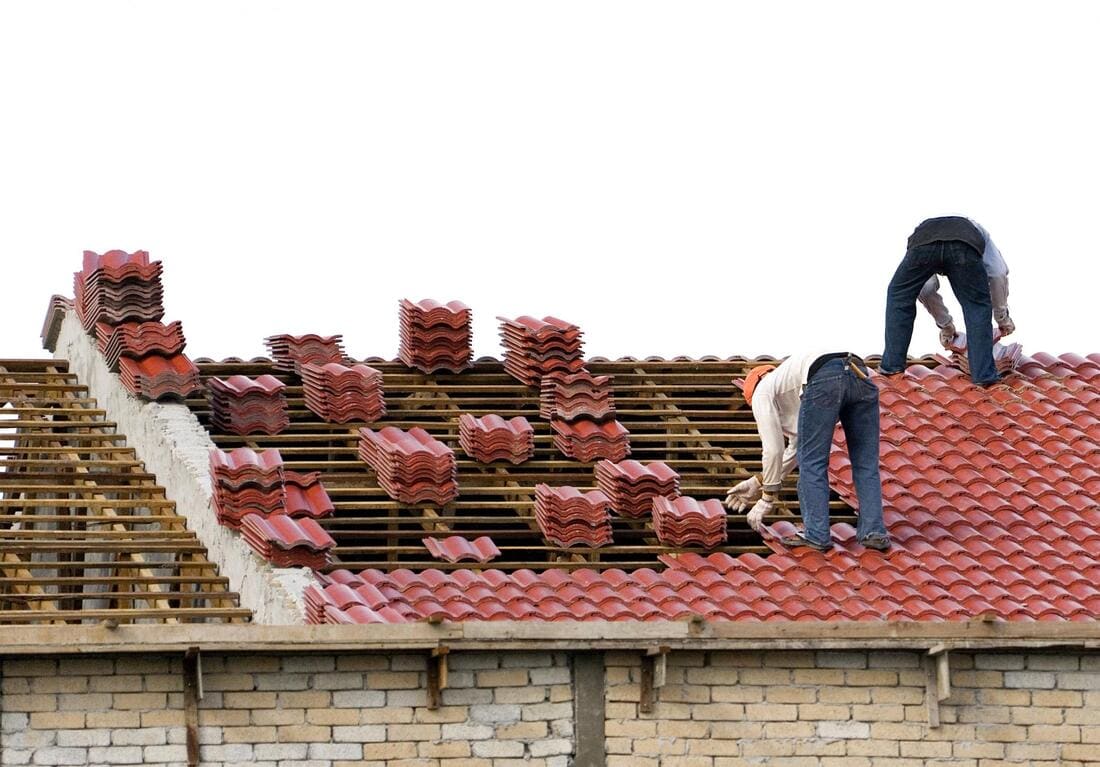
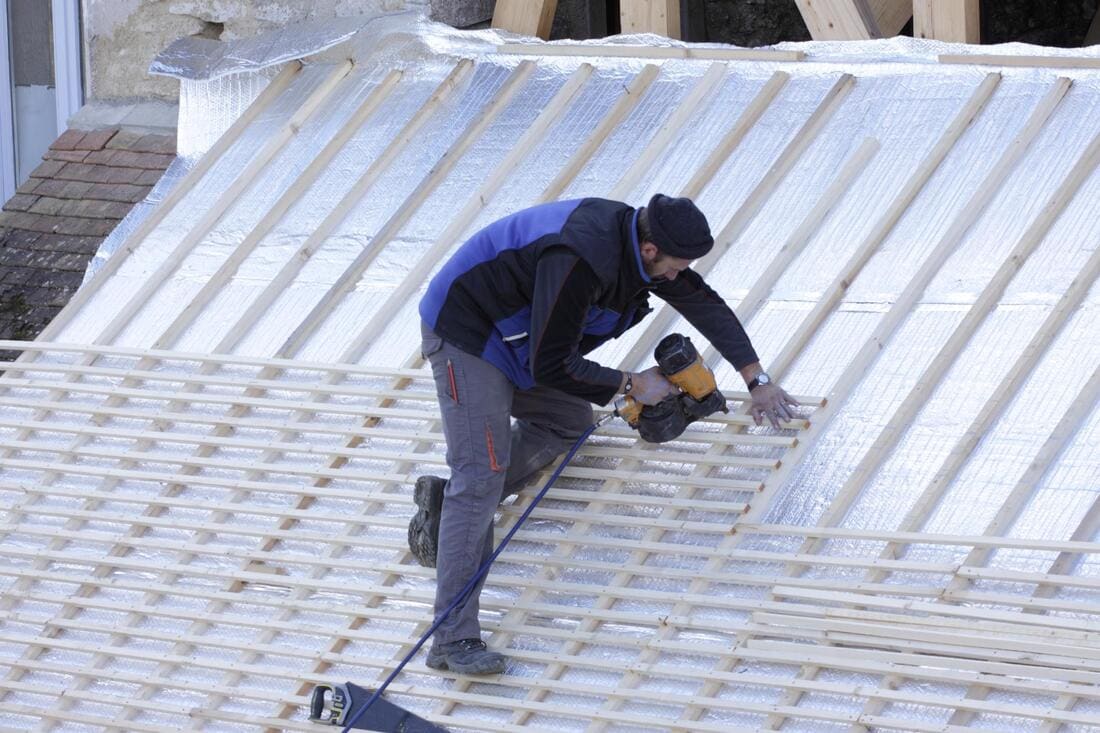
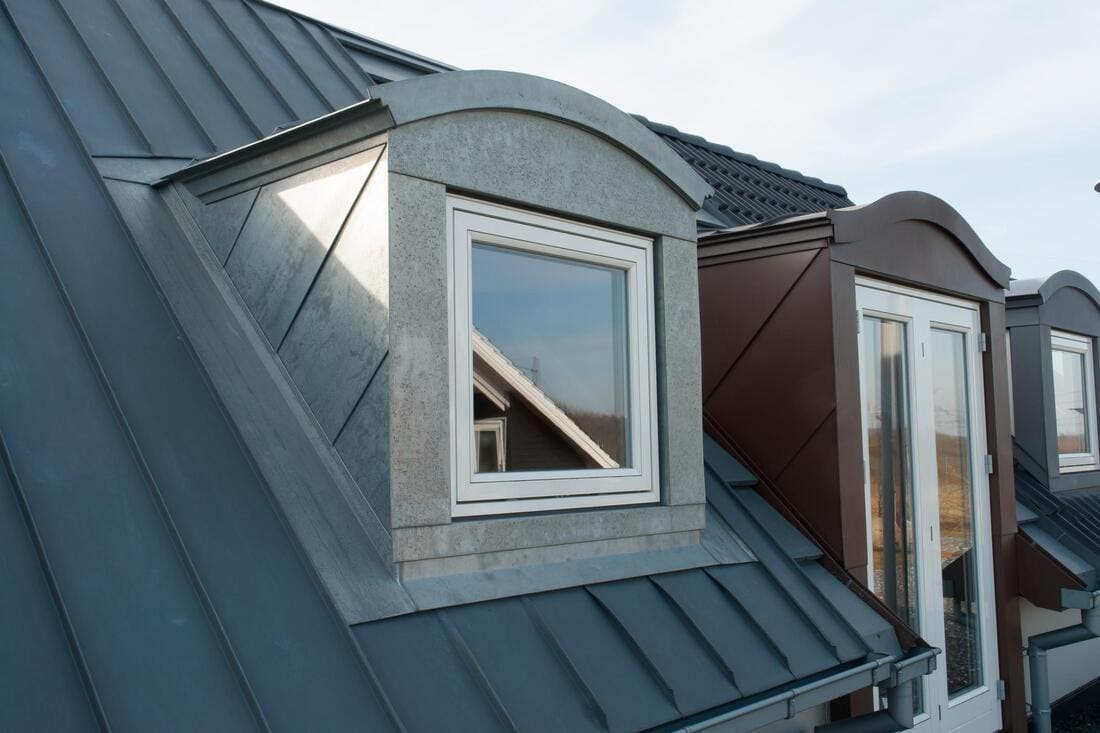
Leak repair for Scottsdale homes where ceiling stains may trace back to skylights, tile underlayment, parapets, scuppers, patio tie-ins, or rooftop equipment.
Water does not respect the shortest path in a Scottsdale roof. It can move under tile, along foam edges, down a parapet wall, across a patio cover tie-in, or around a skylight shaft before the stain appears inside. That is why leak repair should start with tracing, not guessing.
The best first visit documents the roof surface, the interior symptom, attic or ceiling clues when accessible, and the surrounding transitions. A small visible stain may still need a wider inspection if the entry point is upslope or hidden behind tile.

Leak points that deserve close attention
Skylight curbs, cracked tile corners, valley metal, underlayment laps, foam coating splits, stucco-to-roof transitions, parapet caps, scuppers, and patio cover connections are common Scottsdale failure points. Wind-driven monsoon rain can expose details that ordinary light rain never tests.
A clean repair scope should say what was opened, what was found, what was replaced, and what remains watch-list material. Photos help homeowners and HOA managers understand why a ceiling stain may not line up with the repair location.
When a leak repair should pause
If the contractor finds widespread brittle underlayment, wet foam, rotted decking, or several unrelated leak paths, a simple patch may be the wrong financial move. The better answer may be a temporary dry-in followed by a replacement or restoration estimate that solves the underlying system failure.
How the visit is handled
The first step is a roof-specific conversation, not a generic appointment slot. The contractor asks about tile, foam, flat sections, skylights, parapets, recent storms, access restrictions, and interior symptoms so the visit is routed correctly.
After the roof is checked, the homeowner receives photos and a written scope explaining the recommended repair, any temporary work already completed, and whether a broader replacement or restoration option deserves consideration. For replacements or structural roof work, the assigned contractor verifies city, county, and HOA requirements.